
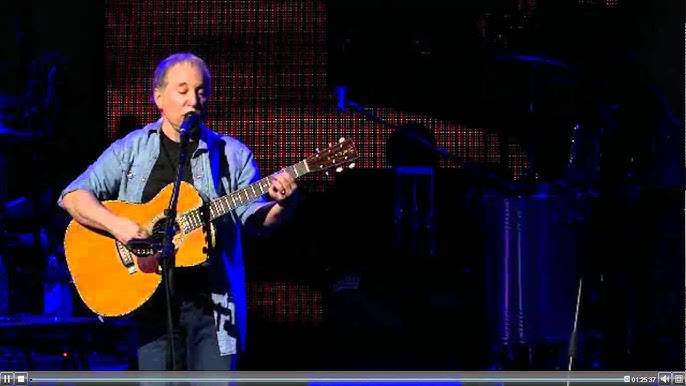
Throughout his influential career, Paul Simon has gifted us with melodies steeped in emotional resonance and lyrical depth. One such narrative, the song “Questions for the Angels,” unveils a tapestry of spiritual longing and existential contemplation. This article aims to unravel the profound message behind this composition, revealing Simon’s mastery in blending evocative lyrics and harmonious scores.

Source: www.billboard.com
A Snapshot of Simon’s Artistry
Before we unravel “Questions for the Angels,” it is crucial to appreciate the artistry of Paul Simon. As half of the iconic folk duo Simon & Garfunkel, and as a solo artist, Simon has consistently pushed musical boundaries. His lyrics often explore the intricacies of the human condition, making them deeply relatable, and the melodious tunes that accompany these words serve as the soul-stirring background against which his stories unfold.
Source: www.mlb.com
The Narrative in “Questions for the Angels”
“Questions for the Angels” is a track from Simon’s thirteenth solo studio album, “So Beautiful or So What.” The song tells the story of a traveler on a spiritual journey, exploring snapshots of life’s raw reality amidst the backdrop of bustling Brooklyn.
The protagonist questions his existence and life’s purpose, addressing his queries to the ‘angels.’ Simon makes striking remarks about human life, often juxtaposed against the transient and materialistic aspects of modern society.
The Lyrics, the Meaning
Embarking on a meticulous analysis of the song, “Questions for the Angels,” will bring to light the depth of thought behind its lyrics.
First Verse & Chorus: An Array of Questions
The traveler embarks on a journey, burdened by existential questions. He asks, “If you shop for love in a bargain store / And you don’t get what you bargained for / Can you get your money back?” Here, Paul cleverly touches the universal theme of love and its commercialized perception.
In the chorus, he asks, “Who believes in angels? I do / Fools and pilgrims all agree / Believers and infidels alike / That’s it’s a good idea to ‘live as if.” He discusses faith, acknowledging the diverse beliefs existing in society while advocating the goodness of life and a state of ‘living as if’- suggesting an importance of hope and faith.
Second Verse & Chorus: Contrasting Images
The song presents a mosaic of contrasting images. A discarded child’s toy lays beside the river, symbolizing innocence lost amidst city life’s harsh realities. Simon further spotlights the stark difference between spiritual pursuits and materialistic demands. The busker singing about love and the ad for Jay-Z’s concert is a commentary on the commercialization of art and life itself.
Song as a Moral Compass
“Questions for the Angels” addresses existential questions and chronicles an individual’s spiritual journey. Through the song’s protagonist, Paul Simon encourages listeners to introspect, ponder life’s profound aspects, and emerge as compassionate ‘angels’ amid life’s harsh realities.
Conclusion
“Questions for the Angels” is more than a song- it is a narrative etched in lyrical beauty and underscored with a haunting melody. Paul Simon, through his art, implores listeners to seek answers to life’s meaningful questions and fosters an inherent understanding of our shared humanity. The song serves as a reminder- angels might not have all the answers, but the questions we ask help shape our journey through life.